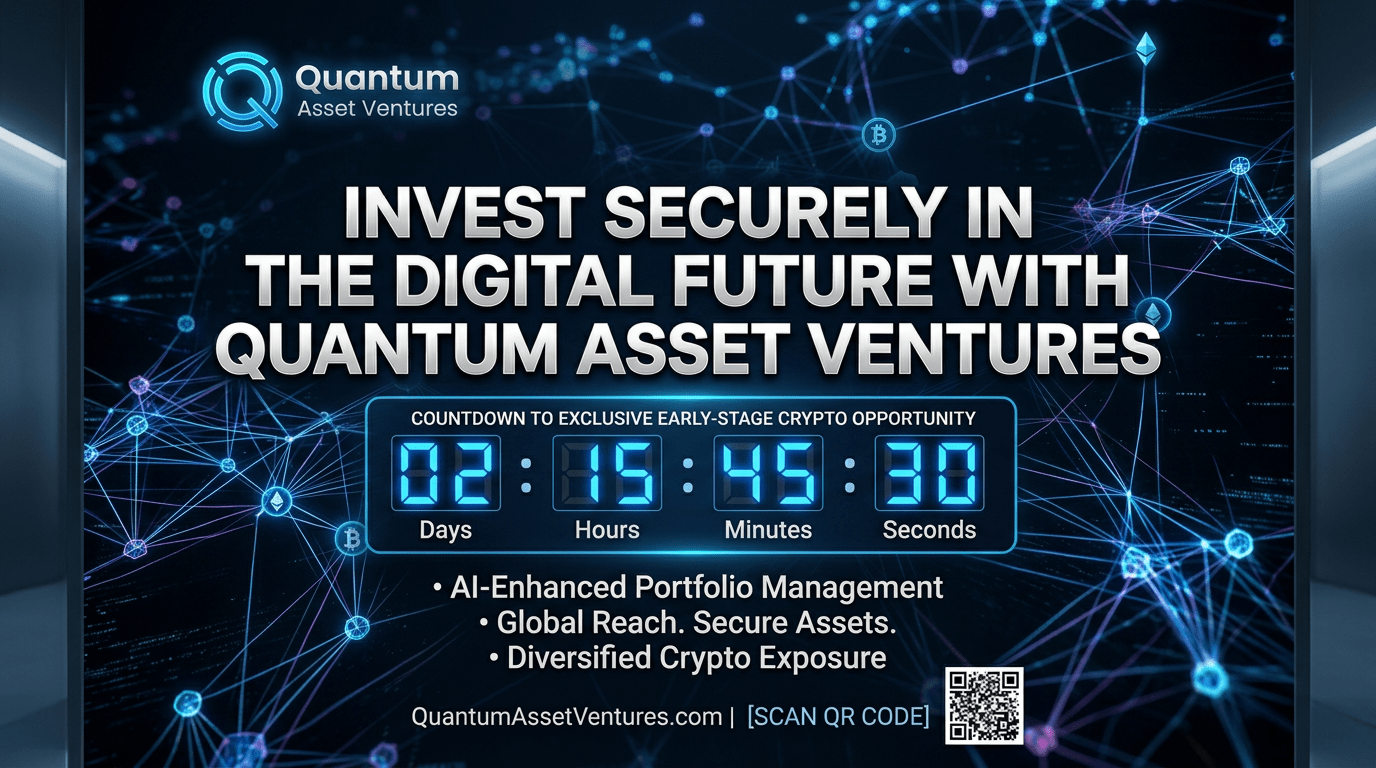
BEWARE, YOU ARE WARNED
IT IS written that you, who are aware of having knowledge and foresight even of those who have taken a false step before they are aware of it, you who have spiritual qualifications, should warn others before they fall. -Galatians 6:1
This post is from a personal and family experience I am sharing to bring awareness about the scams that are happening worldwide. Some do not intend to labour for financial wealth but rather sit at a computer and benefit from those TRYING TO live.
It will be good to remember there is no quick income without financial risk. Furthermore, be aware of the advertisements set up to look legit that lure you to platforms that are scams. Taking your information only to use it for their own purpose.
CREATORS
I HAVE received some social posts from those who are hoping to gain from online HONEST activities and are disappointed in their followers not donating to their work. I’ve had to explain the cause for caution on the part of followers to donate. Times are hard financially for many, and while some want to be able to get back something at Tax time, they will only donate to those whose posts are in line with their work to improve their business or wellness. Others, on the other hand, who can afford to donate will do so without expectation. Get receipts, as the business must be registered.
It is best to look at what donation qualifies to claim on your TAX FORMS.
AUTHORS
WRITERS are being scammed left, right and center.
Below is an email received from an Editor once used for my work who wrote about a social platform and who recently released a book, Protecting Yourself Against Book Marketing Scams, which tells you what to look for and how to protect yourself.
“While Bluesky so far has been a fairly scam-proof social media platform – thanks to its ability to create sharable moderation lists that block bad guys – that strength is being tested. Book marketing scammers, knowing that many authors have left Xitter and Facebook, have been trying to find ways to infest Bluesky, and their first large-scale attack appears to be underway.
| Here’s how the scam works. The scammer sets up a profile declaring they are a beta reader/editor, and sometimes they even offer other services. All the profiles use similar scripts by posting a few of the same questions and professing their love of helping authors improve their work. None of the profiles contain a link to their website or give their real name, something a legitimate beta reader or book editor would do. |
| Once you follow the profile, within a few hours you’ll receive a chat message or request. Sometimes if you post that you need a beta reader or edit, they respond. From there, the pattern is the same as any other book marketing scam – the scammer tries to be friendly, so you let your guard down and then attempts to convince you to use their services.” This scam is common on Xitter and Facebook. Should you ask to see a website or if the scammer gives one in their profile, you’ll typically be sent to a generic AI-generated one on Lovable.app or are sent to a Fiverr or Upwork account, favorites of scammers because getting your money back once spent there is difficult. Many of Fiverr and Upwork accounts indicate that the person who owns them is in Nigeria, a hotbed for transnational criminal organizations that commit cybercrime. If you continue to interact with them, the answers, by and large, will be generated by AI.” -Inventing Editing Service by Rob Bignell |
CRYPTOCURRENCY: BITCOIN’S
A FORM OF digital transactions recorded on a digital ledger called a “blockchain.” It started as an idea in 2008 and became the best-performing asset of the last decade with 9,000,000% rise.
BITCOIN HISTORY: “The founder of Bitcoin, Satashi Nakomoto, created digital scarcity, so that only a certain number of bitcoins can be mined each year. This seems cool, but there’s a downside to all this mining: the environmental impact.
Mistrust of banks was one of the KEY CONTEXTUAL ELEMENTS OF THE BEGINNING OF Bitcoin, as it started in the midst of the 2008 financial crisis.
In early May 2021, a single Bitcoin was worth about $55,000. According to CNBC, if you invest $100 in Bitcoin at its beginning.”
-ESQUIRE Money & Career by Anna Grace Lee Published May 12, 2021
THE RISK
Some have lost their life savings to it. Bitcoin is considered a family property and is not treated differently from other assets should a divorce happen. Assets acquired during marriage are subject to equalization or division.
Due to personal and financial information that must be disclosed in opening an account, your Bitcoin asset is traceable. Although some people believe it is untraceable. They are wrong — and the consequences of attempting to hide Bitcoin during divorce proceedings are severe.
Every Bitcoin transaction is recorded permanently on a public blockchain. A forensic accountant or blockchain analyst can:
- Trace wallet addresses linked to your identity (through exchange KYC records)
- Follow the chain of transactions through multiple wallets
- Identify wallets receiving funds from accounts in your name
- Subpoena exchange records from Canadian and international platforms
THE PLATFORM RISK PROBLEM
Several platforms have offered Bitcoin holders the ability to earn yield by lending their Bitcoin to borrowers or market makers. However, Canadian investors should approach these platforms with significant caution.
The largest crypto yield platforms — Celsius, BlockFi, Voyager — collapsed between 2022 and 2023, taking billions in customer funds with them. Canadian users of these platforms lost access to their funds, many permanently.
THE LESSON
When you lend Bitcoin to a platform in exchange for yield, you give up custody of your Bitcoin. You become an unsecured creditor of the platform. If the platform becomes insolvent, your Bitcoin is at risk.
The Yield Is Often Not Worth the Risk
Typical Bitcoin lending yields range from 1–6% APR.
- That yield is fully taxable at your marginal rate
- You bear full platform counterparty risk
- You give up self-custody (not your keys, not your coins)
- If BTC appreciates significantly, you’ve lent it at the wrong time for minimal gain
For a Canadian in a 43% tax bracket earning 4% APR on Bitcoin, the after-tax yield is approximately 2.3% — while accepting 100% downside risk on the principal if the platform fails.
THE BOTTOM LINE FOR MORE INFORMATION
Bitcoin interest and lending income in Canada is taxed as ordinary income — at your full marginal rate. Between the tax treatment, counterparty risk on lending platforms, and the opportunity cost of lost Bitcoin appreciation, lending Bitcoin for yield is rarely the optimal strategy for serious Canadian holders.
Example: You lend out 0.1 BTC and earn 0.005 BTC in interest over a year. On the day the interest is credited, BTC is trading at $140,000 CAD. Your interest income = 0.005 × $140,000 = $700 CAD — fully taxable at your marginal rate.
Start building your position at 1bitcoin.ca — Canada’s Bitcoin-only, FINTRAC-registered brokerage.
FINAL THOUGHT
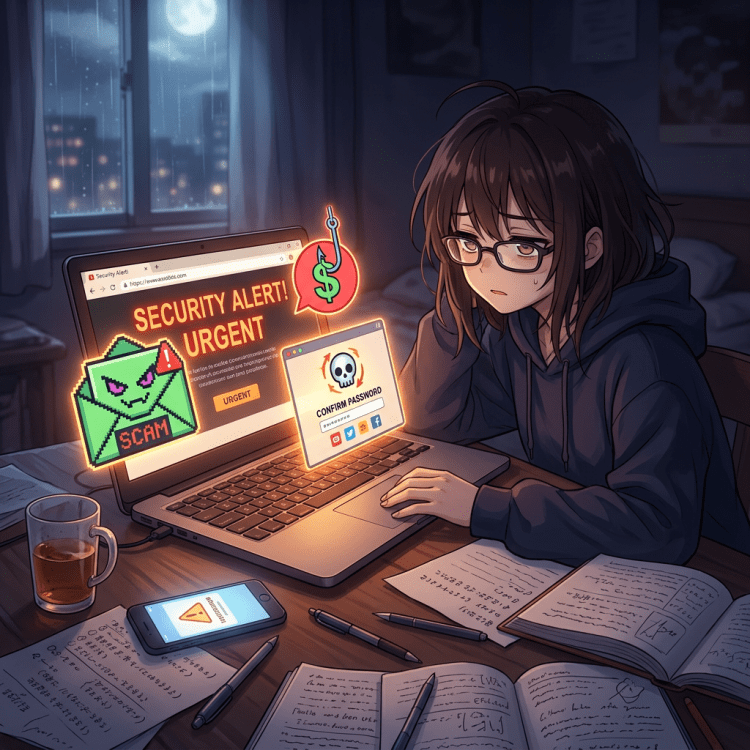
Educate yourselves before opening an account. The advantages of risk and the disadvantages of failure.
A return call is not as simple as reading the experiences of those who have made thousands in one week.
When you receive a call from an agent of a legal or disguised company, you must disclose your personal and financial information to them to acquire a Tax bracket. Information that those whose experiences in declaring income made failed to disclose, or if done, was removed before printing.
Keep records of your Bitcoins, agent contacts, phone numbers, and most importantly, your lawyer’s information should things go south with the company your investment is with.
Lastly, another way scammers get to your information is through warning signs. When received pop-ups showing warning signs, avoid responding, close the site and shut down the computer.
Thanks for reading. If you’ve had any experience investing in Bitcoins, I would like to hear from you.
Until next time, take care of yourself and each other!
 Better The End