“The light that lies in the eyes of humans
Has been the Creator’s undoing.”
— B. M. Lustol
INTRODUCTION
Sight is one of the most precious abilities bestowed upon humanity. Through remarkable artistry, the Creator designed the human eye with the capacity to perceive the world in a manner reflective of His own ability to see. Yet, despite this gift, not all humans—nor all animals—can experience sight fully. Vision loss may occur from birth or develop later in life due to a range of contributing factors.
From a medical perspective, several factors can influence loss of sight. These include inadequate nutrition, insufficient sleep, lack of physical activity, substance misuse, and prolonged exposure to digital screens. Genetic inheritance also plays a significant role, as certain visual impairments are passed down through ancestral lines.
Advances in research and technology have enabled some individuals who were born blind to regain sight. Others who lost their vision later in life have also managed to regain partial or full sight. However, access to these advancements remains limited. High costs associated with corrective procedures and specialized equipment prevent many from benefiting from these innovations.
This reality raises an important question: why do some individuals lose their sight later in life? While lifestyle and aging are often cited as primary causes, these explanations alone do not account for every circumstance.
From a spiritual perspective, Scripture emphasizes accountability in how gifts are used. God examines the heart of each individual and allows time for reflection and correction of harmful behavior. As stated at Psalms 11:5, “Anyone loving violence, His soul certainly hates.” Similarly, 1 Peter 3:12 affirms, “For the eyes of the Lord are upon the righteous ones. His ears are toward their supplications. But His face is against those doing bad things.” These verses underscore the principle that misuse of one’s abilities—particularly when they cause harm to others—does not go unnoticed.
In today’s world, misuse of technology has become increasingly prevalent. Surveillance, invasion of privacy, and the exploitation of information shared in trust have placed individuals and families at risk. Homes are no longer guaranteed safe havens when discretion is absent. As deception and misconduct increase, it has become essential to reassess how information is shared, even among family and friends.
In today’s world, misuse of technology has become increasingly prevalent. Surveillance, invasion of privacy, and the exploitation of information shared in trust have placed individuals and families at risk. Homes are no longer guaranteed safe havens when discretion is absent. As deception and misconduct increase, it has become essential to reassess how information is shared, even among family and friends.
To the younger generation, freedom may initially appear as an escape; however, with time, unrestrained freedom can become a burden. True stability comes not from pleasing those with wealth or authority, but from acting with integrity. As Ephesians 6:7 advises, individuals should serve sincerely. They should not be people-pleasers. Instead, they must have a sense of accountability to God rather than to men. Ultimately, each person will be judged fairly, and every action—good or bad—will be repaid accordingly.

Medical Considerations Related to Vision Health
Certain eye conditions continue to contribute significantly to vision impairment worldwide.
Trachoma, a highly contagious eye infection, primarily affects women and children.
Symptoms include itching and irritation of the eyes and eyelids, discharge, eye pain, light sensitivity, and blurred vision. As the infection progresses, scarring can develop on the inner eyelid. This scarring can cause the eyelashes to turn inward and scratch the cornea. This condition is known as trichiasis. If untreated, this can lead to corneal clouding and ulcers, potentially resulting in permanent vision loss. Trachoma spreads through direct contact with infected individuals, insects such as flies, or contaminated objects like towels.
Trichiasis itself may also occur without a known cause and is more common in adults. It can result from eye infections, inflammation of the eyelids, autoimmune conditions, or trauma. Treatment typically involves removing or redirecting the affected eyelashes to prevent damage to the eye’s surface.
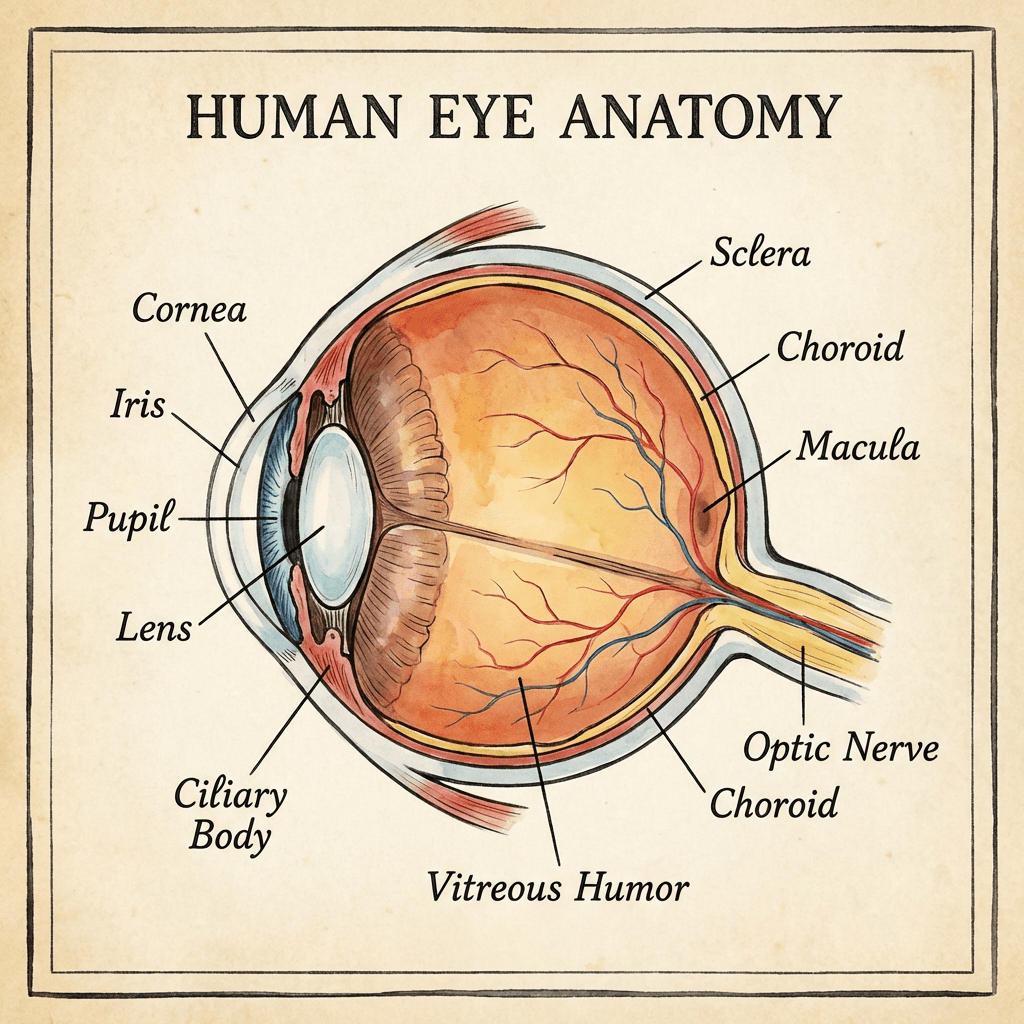
Another significant contributor to eye discomfort and visual disturbance is
Meibomian Gland Dysfunction (MGD). MGD is a chronic, progressive condition affecting the tear film, which is essential for keeping the eye properly lubricated. Studies indicate that a substantial percentage of individuals with dry eye symptoms also have MGD. Contributing factors include prolonged screen use and environmental conditions. Other factors are contact lens wear, certain medications, and eye surgeries. Poor blinking habits and chronic eye diseases such as glaucoma also contribute.
If left untreated, MGD can worsen over time, leading to increased irritation, inflammation, and dryness. Notably, dry eye is rarely caused by a lack of tear production alone. Instead, it is often due to an insufficient lipid layer. This deficiency allows tears to evaporate too quickly between blinks.
CONCLUSION
The eyes are vital not only for navigating the physical world. They also reflect responsibility, showing how individuals care for their health. Additionally, they reveal how people use technology and interact with others. Regular eye examinations are essential. Practicing healthy habits is another crucial step. Exercising discernment in both physical and spiritual matters is also important for preserving this invaluable gift.
Thank you for reading. Until next time, take care.
 Better The End